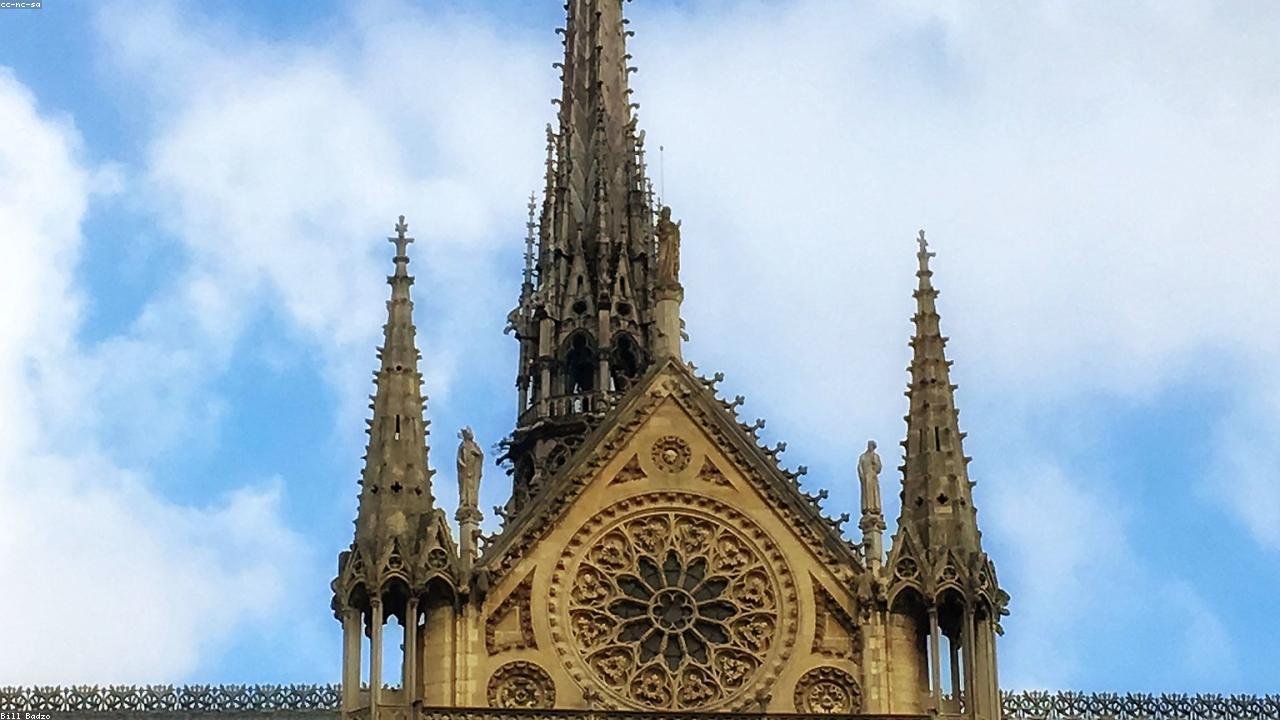
Paris is easier to enjoy when the itinerary is built around real neighborhoods and a few priority sights rather than a generic checklist. This guide focuses on concrete places, local food and realistic pacing.
Plan around these priorities
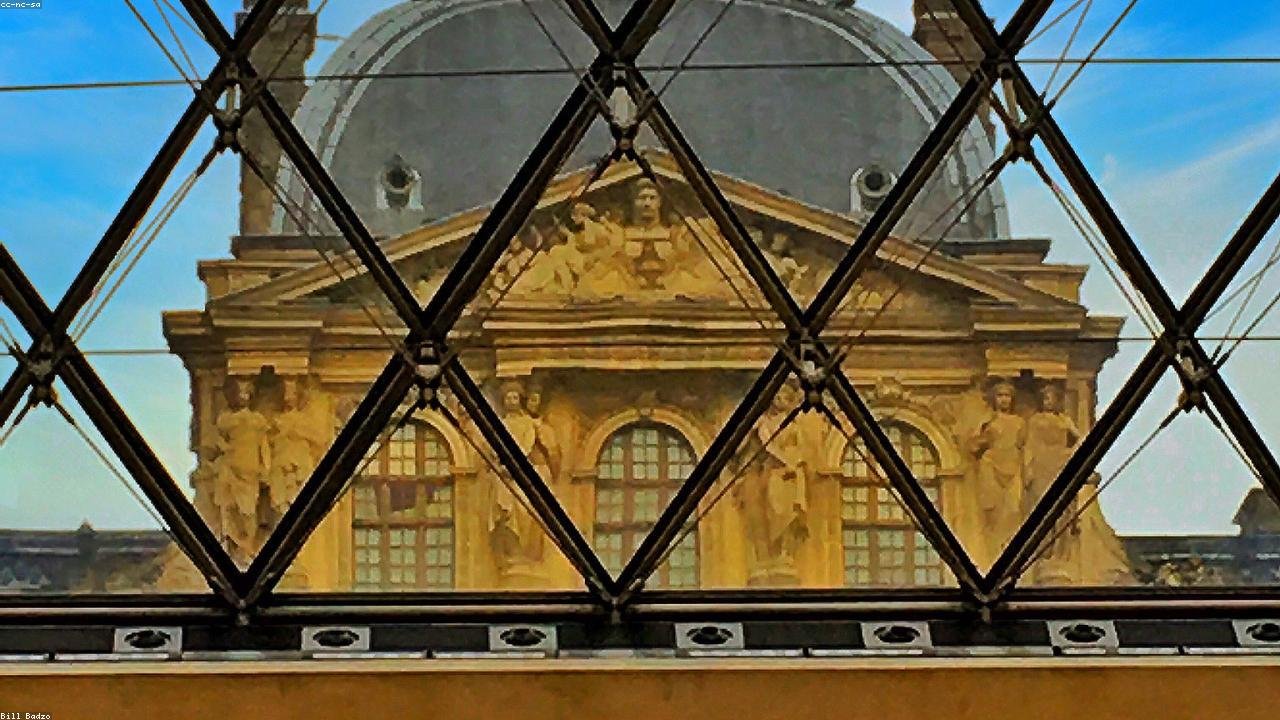
- Louvre Museum
- Eiffel Tower
- Montmartre
- Musée d’Orsay
- Canal Saint-Martin
A practical daily rhythm
Use the morning for the most popular attraction, lunch for a local specialty such as croissant, and late afternoon for a neighborhood or viewpoint. Keep one unscheduled block for weather or transport delays.
Musée d’Orsay: the attraction worth extra time
The Musée d’Orsay occupies a former railway station and holds one of the strongest collections of Impressionist and Post-Impressionist art. The building itself, especially the giant clock and central hall, is part of the experience.
It is smaller and easier to navigate than the Louvre, but the best-known galleries still become crowded. Reserve a timed ticket and visit the upper-floor rooms first before working back through the collection.
Food and local experiences
- croissant
- steak frites
- crêpes
- macarons
Practical planning notes
- Reserve the most popular timed attraction before arrival.
- Group nearby sights to reduce unnecessary transport.
- Check local opening days rather than assuming every museum opens daily.
- Keep one flexible period for weather, queues or a spontaneous stop.
For another route idea, see Valletta Packing List for Every Season. The alternating URL format is intentional for testing trailing-slash handling.
Leave a Reply