Tokyo is easier to enjoy when the itinerary is built around real neighborhoods and a few priority sights rather than a generic checklist. This guide focuses on concrete places, local food and realistic pacing.
A realistic three-day itinerary
Day 1: historic center and essential landmarks
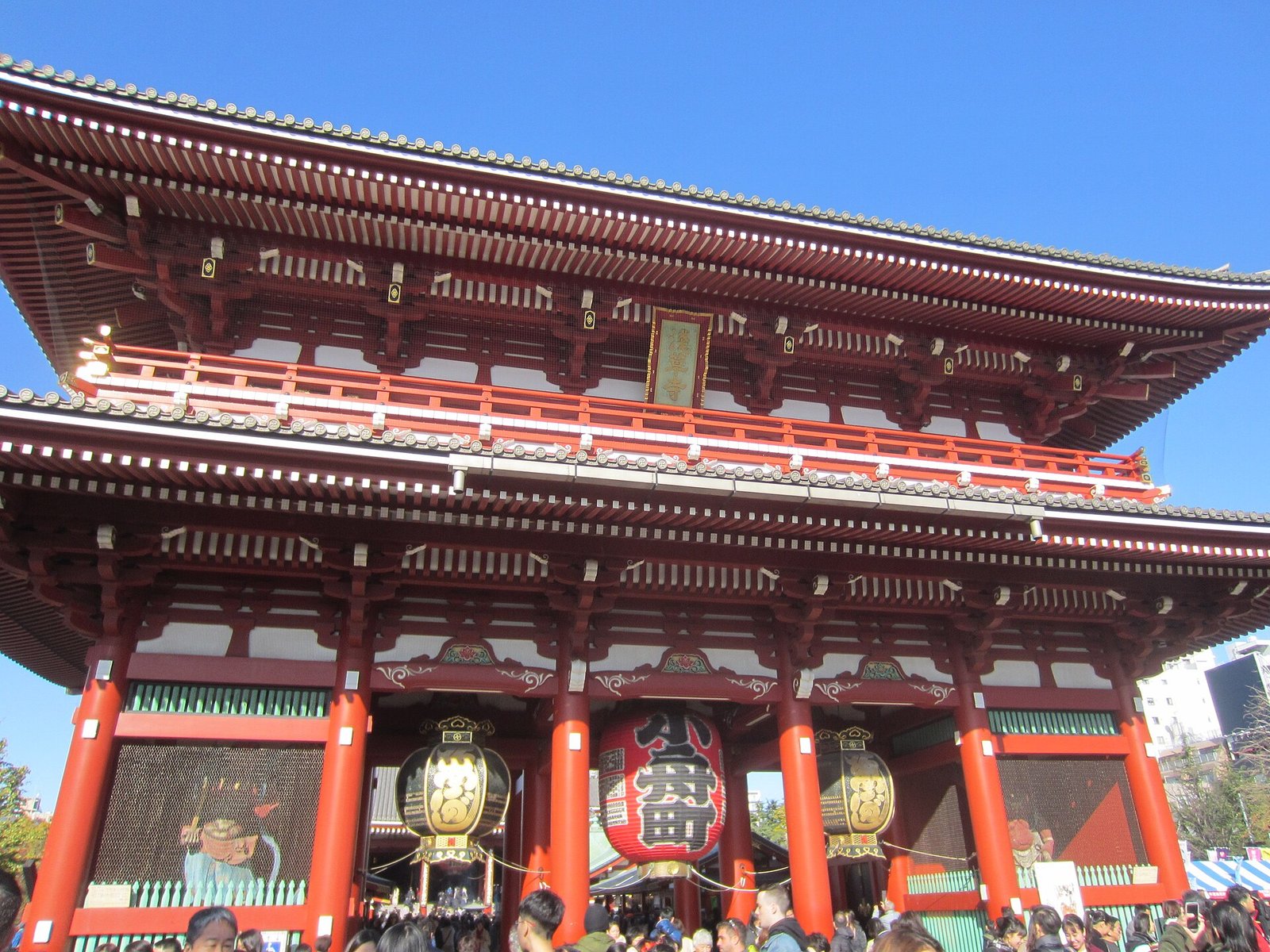
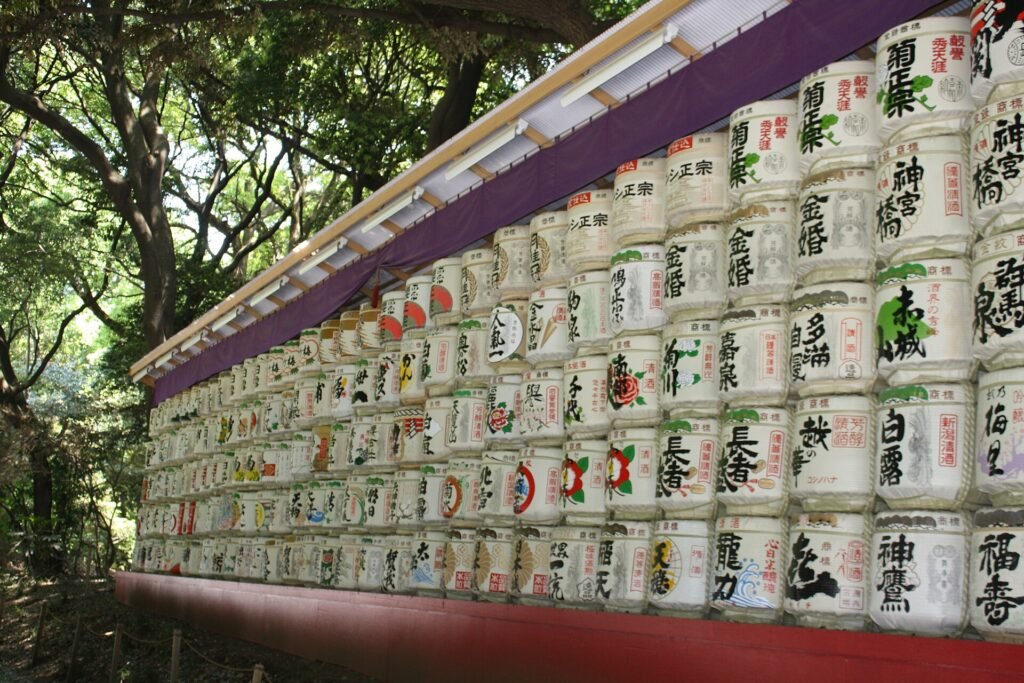
Start with Senso-ji, continue to Meiji Shrine, and leave the evening for an unhurried walk around Shibuya Crossing. Book the first major attraction in advance so the rest of the day remains flexible.
Day 2: culture, neighborhoods and local food
Use the second day for Tsukiji Outer Market and nearby streets rather than crossing the city repeatedly. Stop for sushi or ramen at a locally busy restaurant.
Day 3: a slower final day
Spend the final day around Tokyo Skytree, leaving enough time for a market, viewpoint or café. This is also the best place to absorb delays from the first two days.
Senso-ji: the attraction worth extra time
Senso-ji in Asakusa is Tokyo’s oldest temple and a lively introduction to traditional religious customs. Kaminarimon Gate, Nakamise shopping street and the main hall form a sequence that becomes increasingly atmospheric toward evening.
Visit around sunrise for space and return after dark to see the buildings illuminated. The surrounding side streets contain small restaurants and craft shops that are easy to miss when following only the main approach.
Food and local experiences
- sushi
- ramen
- tempura
- tonkatsu
Practical planning notes
- Reserve the most popular timed attraction before arrival.
- Group nearby sights to reduce unnecessary transport.
- Check local opening days rather than assuming every museum opens daily.
- Keep one flexible period for weather, queues or a spontaneous stop.
For another route idea, see A Budget-Friendly Guide to Dubai. The alternating URL format is intentional for testing trailing-slash handling.
Leave a Reply