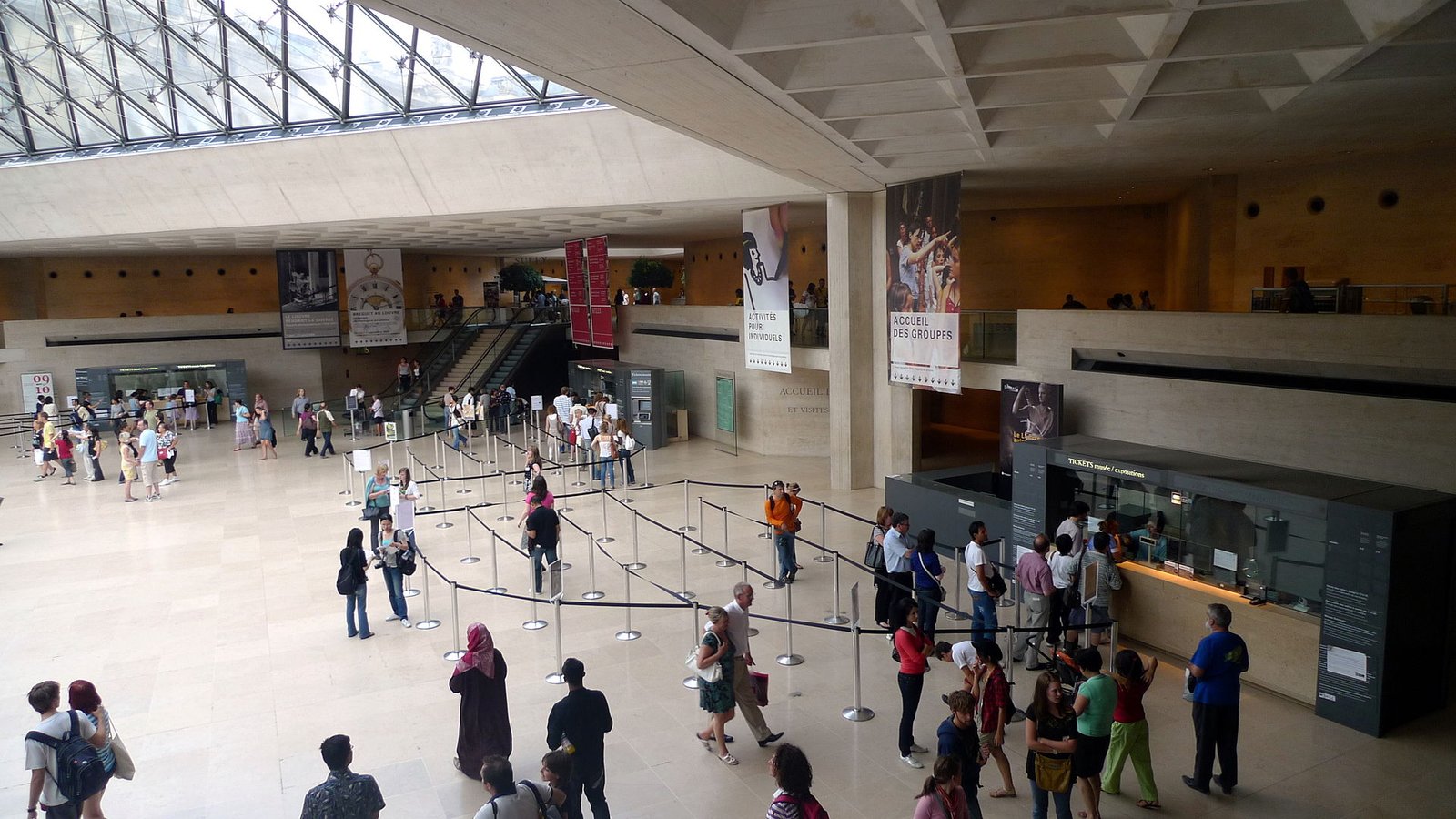
Paris is easier to enjoy when the itinerary is built around real neighborhoods and a few priority sights rather than a generic checklist. This guide focuses on concrete places, local food and realistic pacing.
Where the budget usually goes
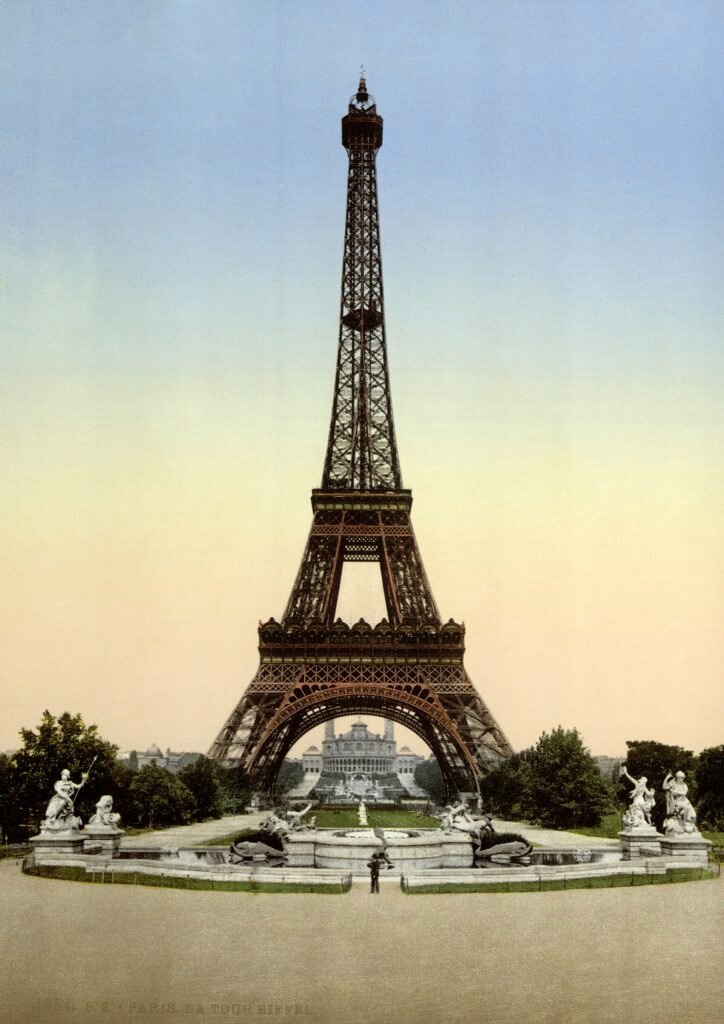
Accommodation and timed attractions are usually the largest fixed costs. Save money by grouping Louvre Museum, Eiffel Tower and nearby sights into the same day, then use walking or public transport for shorter connections.
Low-cost experiences worth prioritizing
- Montmartre
- Musée d’Orsay
- Canal Saint-Martin
- A self-guided neighborhood walk
- A local market meal such as croissant
Musée d’Orsay: the attraction worth extra time
The Musée d’Orsay occupies a former railway station and holds one of the strongest collections of Impressionist and Post-Impressionist art. The building itself, especially the giant clock and central hall, is part of the experience.
It is smaller and easier to navigate than the Louvre, but the best-known galleries still become crowded. Reserve a timed ticket and visit the upper-floor rooms first before working back through the collection.
Food and local experiences
- croissant
- steak frites
- crêpes
- macarons
Practical planning notes
- Reserve the most popular timed attraction before arrival.
- Group nearby sights to reduce unnecessary transport.
- Check local opening days rather than assuming every museum opens daily.
- Keep one flexible period for weather, queues or a spontaneous stop.
For another route idea, see How to Plan a Stress-Free Trip to Valletta. The alternating URL format is intentional for testing trailing-slash handling.
Leave a Reply