Hanoi is easier to enjoy when the itinerary is built around real neighborhoods and a few priority sights rather than a generic checklist. This guide focuses on concrete places, local food and realistic pacing.
Where the budget usually goes
Accommodation and timed attractions are usually the largest fixed costs. Save money by grouping Old Quarter, Temple of Literature and nearby sights into the same day, then use walking or public transport for shorter connections.
Low-cost experiences worth prioritizing
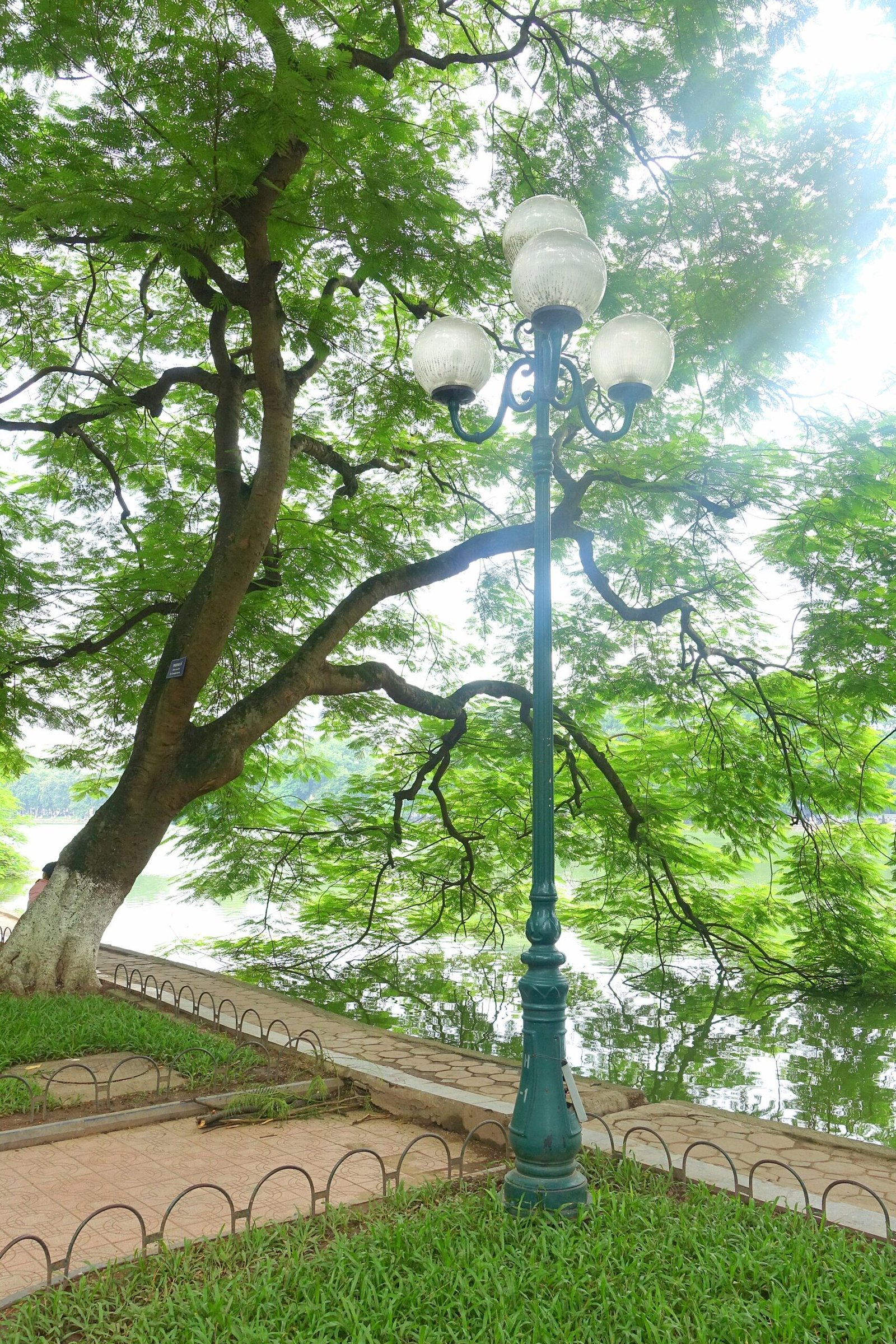
- Hoan Kiem Lake
- Hoa Lo Prison
- Train Street
- A self-guided neighborhood walk
- A local market meal such as pho
Old Quarter: the attraction worth extra time
Hanoi’s Old Quarter is a dense network of trading streets, temples, cafés and narrow homes. Motorbike traffic can feel chaotic, but the district is best understood by walking slowly and observing each street’s specialty.
Cross roads at a steady pace rather than making sudden movements, and start early before heat and traffic build. Food tours are useful here because many excellent vendors are difficult to identify without local knowledge.
Food and local experiences
- pho
- bun cha
- banh mi
- egg coffee
Practical planning notes
- Reserve the most popular timed attraction before arrival.
- Group nearby sights to reduce unnecessary transport.
- Check local opening days rather than assuming every museum opens daily.
- Keep one flexible period for weather, queues or a spontaneous stop.
For another route idea, see How to Plan a Stress-Free Trip to Nairobi. The alternating URL format is intentional for testing trailing-slash handling.
Leave a Reply