Budapest is easier to enjoy when the itinerary is built around real neighborhoods and a few priority sights rather than a generic checklist. This guide focuses on concrete places, local food and realistic pacing.
Where the budget usually goes
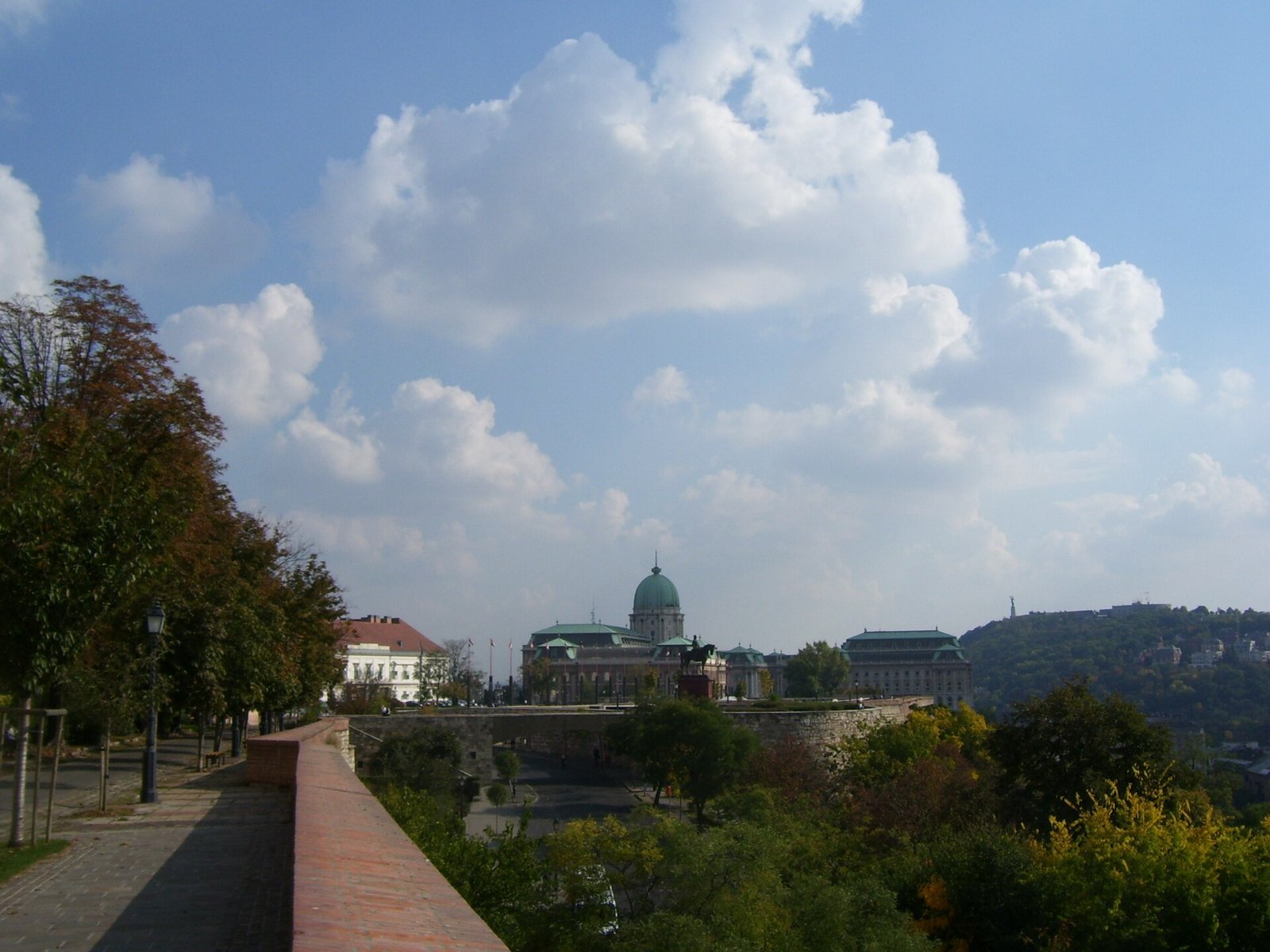
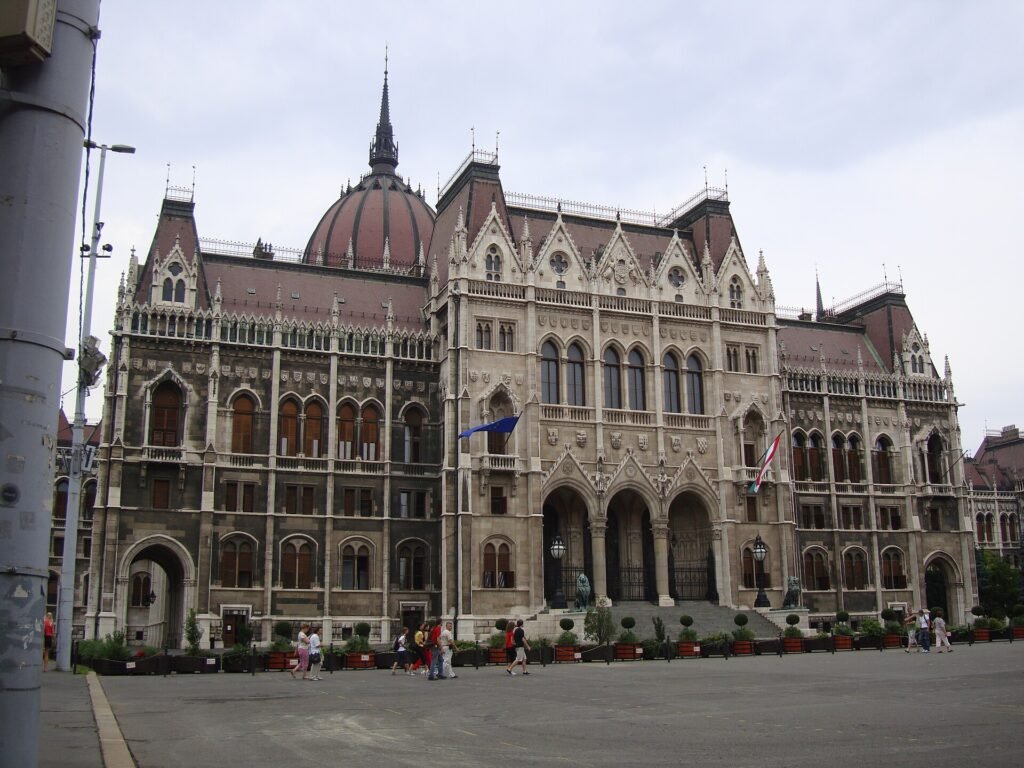
Accommodation and timed attractions are usually the largest fixed costs. Save money by grouping Buda Castle, Parliament Building and nearby sights into the same day, then use walking or public transport for shorter connections.
Low-cost experiences worth prioritizing
- Fisherman’s Bastion
- Széchenyi Baths
- Great Market Hall
- A self-guided neighborhood walk
- A local market meal such as goulash
Széchenyi Baths: the attraction worth extra time
Széchenyi is one of Europe’s largest thermal bathing complexes, with indoor pools, outdoor pools and ornate Neo-Baroque buildings. It is both a wellness stop and a piece of Budapest social life.
Bring sandals and a reusable bottle, and decide whether you prefer a cabin or locker before booking. Morning sessions are calmer; evenings are livelier and the outdoor pools look striking in cooler weather.
Food and local experiences
- goulash
- lángos
- chimney cake
- paprikash
Practical planning notes
- Reserve the most popular timed attraction before arrival.
- Group nearby sights to reduce unnecessary transport.
- Check local opening days rather than assuming every museum opens daily.
- Keep one flexible period for weather, queues or a spontaneous stop.
For another route idea, see How to Plan a Stress-Free Trip to Kuala Lumpur. The alternating URL format is intentional for testing trailing-slash handling.
Leave a Reply